
















Ravi Shastri Unpacks the Nuances: Coaching vs. Commentary - Which Role Reigns Supreme?
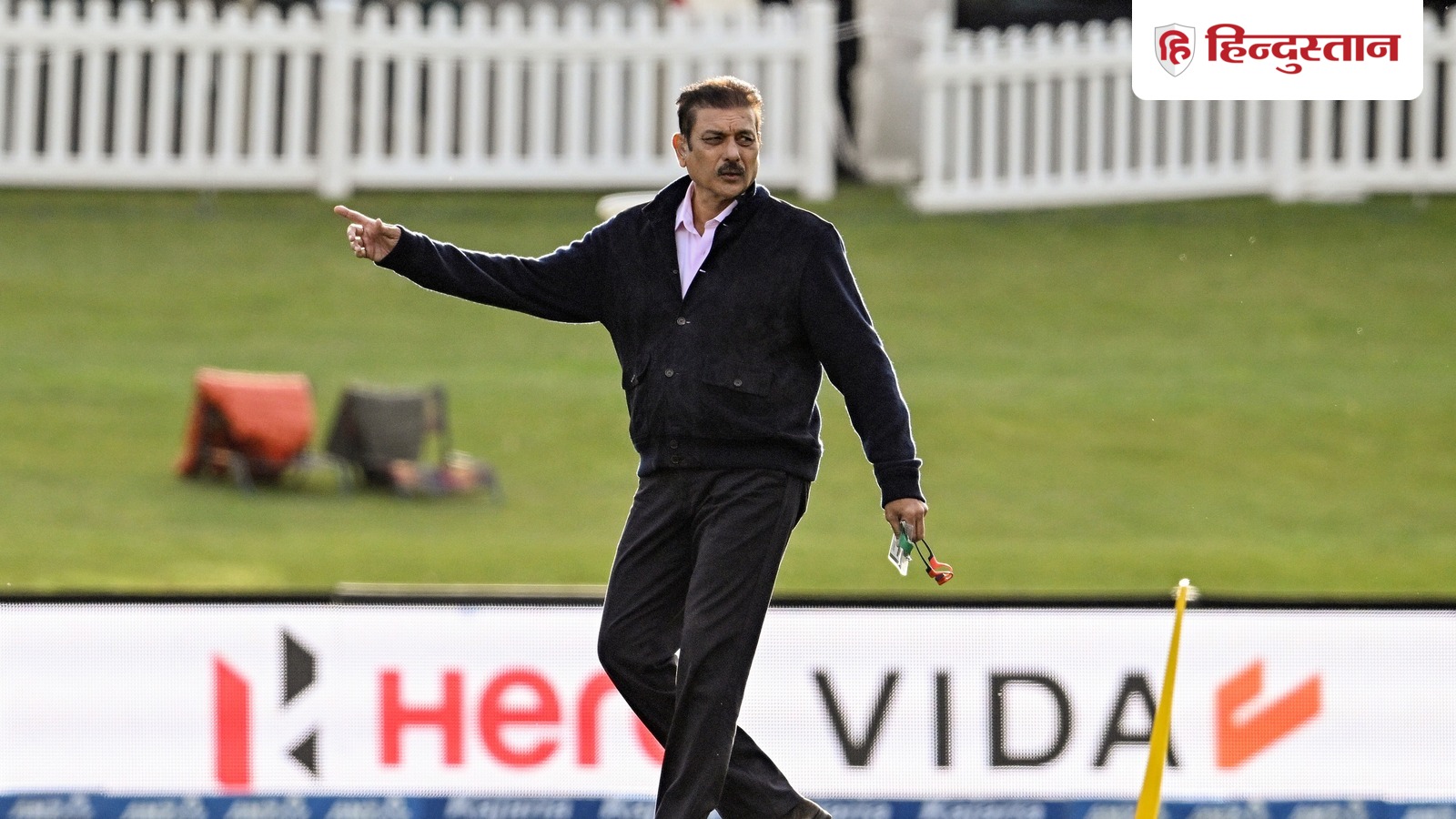
Cricket icon Ravi Shastri, a man who has experienced every facet of the sport, from a dynamic player to a revered commentator and head coach, has offered a candid comparison of the roles, highlighting the profound differences between coaching and commentary. Currently back in the commentary box, Shastri opened up about his journey and the sage advice he received from a legendary broadcaster.
A Lifelong Passion for Cricket
Shastri's career trajectory is a testament to his deep-seated passion for cricket. He excelled as a player, then transitioned seamlessly into commentary, before taking on the demanding role of head coach for the Indian team. His return to broadcasting underscores his enduring love for the game, which he views not merely as a job but as a way of life.
During a conversation with Ian Smith of Sky Sports, Shastri reflected on his early days as a commentator and TV host in international cricket. "It's amazing how life takes you to different places, especially a cricketing life. I mean, it's got us in its grasp. We can only stay here if we're passionate about the game. If you're not passionate about the game, if you don't love the game, you won't last here for so long, showing that kind of enthusiasm for every game every single day," he explained, emphasizing the unwavering dedication required.

Coaching: The Ultimate Challenge
When asked to choose between playing, coaching, or broadcasting, Shastri unequivocally stated that coaching presents the toughest challenge. "The most difficult would be coaching, wouldn't it? Because once the players go out onto the field, nothing is in your control. When you're playing, you have the bat or the ball, and when you're broadcasting, you have the mic, but once the players go out, you can only sit on your hands, and with that comes huge responsibility. You know, the country's expectations are such. You have to win every game. You always have a gun to your head, but if you do it and you succeed, there's also a reward. You get a lot of respect. You know, the work you enjoy and that kind of job satisfaction, which nothing else has given you, then you'll love it."
Shastri has been behind the microphone for many of cricket's most memorable moments, attributing this success to teamwork and mutual respect among his fellow commentators. "It's been a wonderful journey. We've won many finals in our careers, and it's a good thing when someone understands the game, understands the discipline of television, and then works on it for so long. It's fun," he remarked.
Richie Benaud's Enduring Wisdom
A pivotal piece of advice came from the legendary Richie Benaud. Shastri recounted, "I finally asked Richie, 'Richie, what do you think of it?' He said, 'Ravi, you don't have to worry. Just remember you are paid not for the number of words you speak, but for the content of what you say. If the picture doesn't tell the story, if you can't add something to the picture, then shut up.' For me, that was enough to tell you that radio is different, where you create a picture for the listener in the car or their living room. Television, the viewer is watching. So add something to the monitor, otherwise, shut up." This invaluable lesson continues to shape Shastri's approach to broadcasting, emphasizing substance over superfluous chatter.
 Kadario PBA 2026: Ginebra vs San Miguel Game 5 — What's at Stake?
 Suresh Raina Breaks Silence: Was Virat Kohli Responsible for His Career's End?
 Rain-Affected Hamilton ODI: India Elects to Bowl as Kohli Chases Milestone, Rohit Eyes 1000 Sixes
 Court-Test Before You Commit: When Pickleball Brands Should Sample OEM Paddles
 The Kawhi Leonard Experiment
 Breakdown of Notre Dame's loss to BYU
Comments
0Log in to join the conversation.
Writer loginNo comments yet. Be the first to respond.