
















How to Choose the Right Ski Poles Based on Your Height and Skill Level
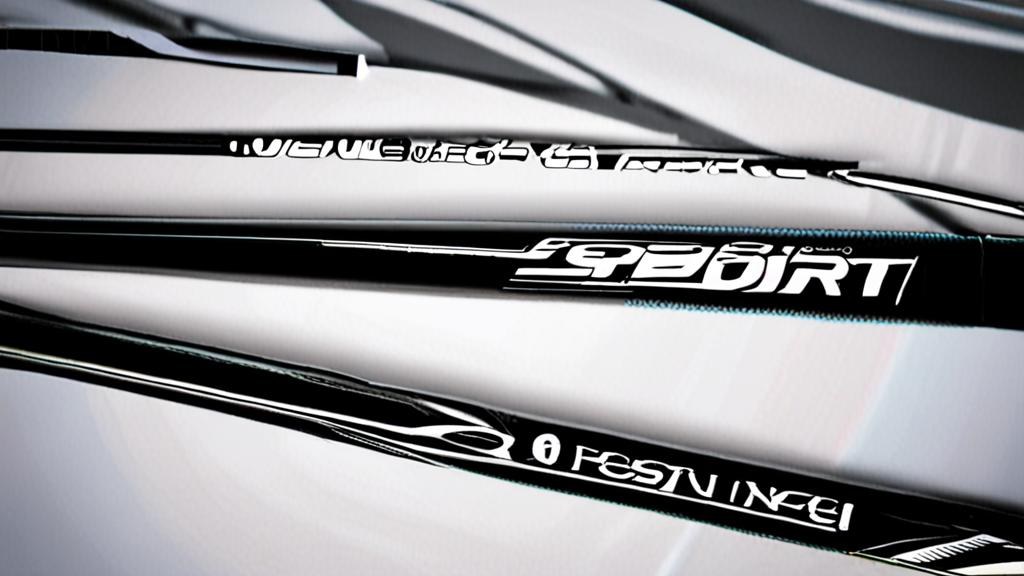
Finding the right ski poles changes everything out on the mountain. They aren’t just there to hold you up - they anchor your balance, keep your rhythm sharp, and save your energy when you're skating across flats.
Too many people just grab whatever pair is lying around. But that can actually throw off your form and wear you out way faster. When your poles actually fit your height and skiing style, everything flows better, and your runs become a whole lot more fun.
Why Ski Pole Size Matters
Ski poles are way more than just props for balance - they’re the secret to nailing your rhythm and timing on every single turn.

If your poles are too long - Your shoulders get hiked up into a weird, unnatural position, forcing you to lean backward onto your tails. That bad posture makes initiating turns feel like a workout.
If your poles are too short - You end up hunched way over, dumping extra strain onto your lower back and knees while losing your edge control when things get steep.
Getting the size right keeps your body naturally upright and centered right over your skis. So every movement feels smooth and effortless.
For expert guidance, specialists like the staff at Panda Ski and Sport can help ensure you select the ideal poles for your style.
How to Measure Ski Poles at Home
Finding the right pole size is very simple. You can do this at home with a measuring tape or a broomstick.
Follow these simple steps:
Stand up straight in your regular street shoes. Keep your feet flat on the floor. Bend your elbow at a sharp ninety-degree angle. Keep your forearm parallel to the floor. Measure the distance from the top of your thumb down to the floor. Add two inches to this number. This extra length accounts for the depth of the snow and the height of your ski boots.
This total number gives you the ideal pole length in inches.
Standard Ski Pole Height Chart
Use this quick guide to find your size based on your height:
4'10" (147 cm) – 38" (95 cm)5'2" (157 cm) – 40" (100 cm)5'6" (168 cm) – 44" (110 cm)5'10" (178 cm) – 46" (115 cm)6'0" (183 cm) – 48" (120 cm)6'2" (188 cm) – 50" (125 cm)
Pro Tip: Between sizes? Always size down. Slightly short poles are much easier to handle than ones that force you to reach too high.
Choosing Poles Based on Skill Level
As your skiing evolves, your gear needs to change right along with you. Beginners and experts are looking for completely different things out of a pair of poles.
For Beginners
When you’re starting out, you just want gear that’s simple, reliable, and tough enough to take a beating. You definitely don't need to shell out for high-end materials yet.
Stick with durable aluminum shafts - Aluminum is fantastic because it’s rugged and will usually just bend if you take a spill, rather than snapping in half like carbon fiber might. Keep grips basic and comfortable - Look for simple rubber or standard grips that feel good in your hand and are easy to hold onto while you’re learning. Go for straightforward webbed straps - Standard wrist straps are safe, secure, and - most importantly - easy to slip your hands into even when you're wearing bulky winter gloves.
At this stage, keeping things basic lets you put 100% of your focus where it belongs: on nailing your stance and basic movements.
Intermediate Skiers
Intermediate skiers spend full days on groomed trails and mild slopes. Comfort and lighter weight become more important.
Look for lighter aluminum alloys. They reduce arm fatigue during long days. Choose ergonomic grips. Structured rubber or soft foam handles reduce hand fatigue. Consider quick-release straps. These straps detach automatically during a sudden fall.
Better grips and lighter weight help intermediate skiers develop smooth turn rhythms.
Advanced Skiers and Experts
Advanced skiers tackle steep bowls, tight trees, and deep powder. You need light and fast, responsive gear.
Choose full carbon fiber shafts. Carbon fiber is extremely light and absorbs vibration. Select natural cork handles. Cork shapes to your hands and wicks away moisture. Look for powder baskets. Large baskets keep poles from sinking deep in soft snow.
Lightweight carbon poles allow quick wrist flicks in tricky terrain.
Special Skiing Styles and Pole Adjustments
Different types of skiing require unique pole features.
Park and Pipe Skiers
Freestyle skiers hit jumps, rails, and halfpipes. Long poles get in the way during air tricks.
Choose poles that are two to four inches shorter than standard size. Pick durable high-grade aluminum to survive heavy hits on metal rails.
Backcountry Skiers
Backcountry skiers hike up mountains before skiing down. You face deep snow and changing slopes.
Choose adjustable touring poles. You can lengthen them for climbing uphill and shorten them for riding down. Look for long foam grips. They allow you to choke down on the pole when sidehilling steep slopes.
Pole Baskets and Grips
Do not ignore small pole parts like grips and baskets. They affect your daily comfort on the snow.
Choosing the Right Baskets
Standard small baskets work great on groomed runs. They keep the pole light and easy to swing. Powder baskets are wide plastic discs. They prevent your pole from sinking deep into fresh powder snow.
Choosing the Right Grips
Rubber grips are low-cost and durable. Foam grips stay warm and feel soft in cold weather. Cork grips absorb hand sweat and custom-mold to your grip over time.
Summary
Picking the right sports and ski poles is straightforward once you know your height and ski style. Measure your forearm angle, check the size chart, and select a material built for your skill level. The right poles will keep you balanced, relaxed, and confident on every run down the mountain.
Opinions here are the writer’s views and do not necessarily reflect those of SportsGuff.
 Kadario PBA 2026: Ginebra vs San Miguel Game 5 — What's at Stake?
 Suresh Raina Breaks Silence: Was Virat Kohli Responsible for His Career's End?
 Ravi Shastri Unpacks the Nuances: Coaching vs. Commentary - Which Role Reigns Supreme?
 Rain-Affected Hamilton ODI: India Elects to Bowl as Kohli Chases Milestone, Rohit Eyes 1000 Sixes
 Court-Test Before You Commit: When Pickleball Brands Should Sample OEM Paddles
 The Kawhi Leonard Experiment
Comments
0Log in to join the conversation.
Writer loginNo comments yet. Be the first to respond.