
How Franchise Cricket Is Affecting National Teams

Cricket has undergone a massive transformation over the past two decades. The introduction of franchise leagues like the Indian Premier League (IPL), Big Bash League (BBL), Pakistan Super League (PSL), and others has changed how the sport is played, consumed, and even managed.
But as the glamour and money of franchise cricket continue to grow, a big question arises : is it helping or hurting national teams?
Let’s break it down.

The Rise of Franchise Cricket
Franchise-based T20 leagues have brought a new era of excitement to the game. Players now earn millions through short tournaments, fans get to see global stars in one league, and boards gain massive commercial benefits.
For many young cricketers, these leagues are career-defining platforms. A strong IPL or BBL season can catapult a player from obscurity to international recognition overnight.
However, the flip side is beginning to show players choosing franchises over national duty.
Scheduling Conflicts and Player Availability
One of the biggest challenges for national teams today is player availability.
With overlapping schedules between international fixtures and franchise tournaments, players often face tough choices.
Example: Several West Indian players have skipped international series to play in global leagues.
Even top cricket nations like Australia and England have struggled to field full-strength teams during domestic T20 leagues abroad.
This not only affects team performance but also disrupts team chemistry and long-term planning.
Shift in Player Priorities
National pride once defined a player’s career. Today, financial security and global exposure often outweigh that sentiment.
Playing for a franchise offers:
- Shorter commitments
- Better pay
- Less media pressure
- More freedom
While no one can blame players for securing their futures, it raises concerns about whether international cricket is losing its prestige to the lure of private leagues.
Skill Development: A Double-Edged Sword
On the positive side, franchise leagues expose players to different conditions, teammates, and coaching methods.
A young bowler sharing the dressing room with legends like AB de Villiers or Kieron Pollard gains priceless experience.
Coaches introduce modern analytics, strategies, and training systems that many national setups still lack.
However, frequent T20 exposure also changes playing styles players prioritize power-hitting over patience, economy over wicket-taking, and instant results over long-term consistency.
As a result, some nations struggle to produce Test-ready players.
The West Indies Example: A Lesson for Everyone
No team represents this issue better than the West Indies. Once giants of world cricket, they’ve struggled to retain their best talents for international duty.
Many of their stars like Andre Russell, Sunil Narine, and Kieron Pollard have become T20 specialists, rarely appearing in national colors.
The result? Declining performance in major ICC tournaments and dwindling fan support for their national side.
The Changing Role of Cricket Boards
Cricket boards now face the challenge of balancing player freedom with national responsibility.
Some have adapted smartly:
- England rotates players and prioritizes workload management.
- India uses the IPL as a scouting platform for new talent.
- Australia has introduced strict NOC (No Objection Certificate) policies for overseas leagues.
The key is creating a system where players can enjoy franchise opportunities without compromising international commitments.
Striking the Right Balance
Franchise cricket isn’t the enemy. In fact, it has revitalized global interest in the sport. But without proper regulation and coordination, national cricket risks being overshadowed.
A sustainable model could include:
- International windows with fewer scheduling overlaps.
- Player contracts that balance national and franchise obligations.
- More investment by boards in domestic and grassroots cricket.
Franchise cricket has undeniably brought innovation, money, and excitement to the game. Yet, it’s also testing the loyalty and structure of international cricket.
If managed wisely, both can coexist. Franchise leagues can serve as talent incubators, while national teams remain the pinnacle of cricketing pride.
But if ignored, the sport could see a future where club over country becomes the norm and that would change cricket forever.
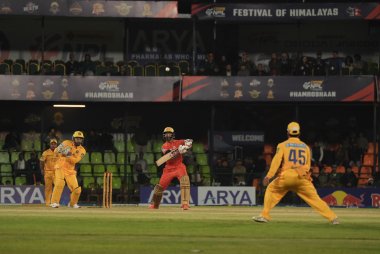 Lumbini Lions Roar into NPL Season 3 with Dominant Victory Over Sudurpaschim
 Sports Management Software in 2026: One Platform for Players, Coaches and Federations
 Mbappe Brace Sinks Barcelona in El Clásico Thriller
 DRS and AI Technology Set to Revolutionize Nepal Premier League
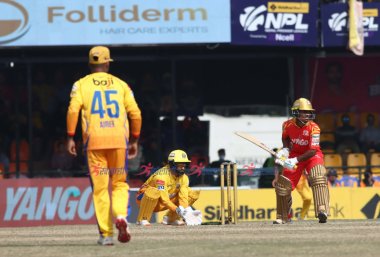 NPL Season 3 Kicks Off: Lumini Lions Face Sudurpaschim Royals in Highly Anticipated Opener
 Premier League Shocker: Manchester City and Chelsea Stumble as Arsenal and Tottenham Triumph
 West Indies All-Rounder Fabian Allen Joins Sudurpaschim Royals for Nepal Premier League
Comments
0Log in to join the conversation.
Writer loginNo comments yet. Be the first to respond.