
How Arsenal Won the Premier League 2025/26: Inside the Title Triumph
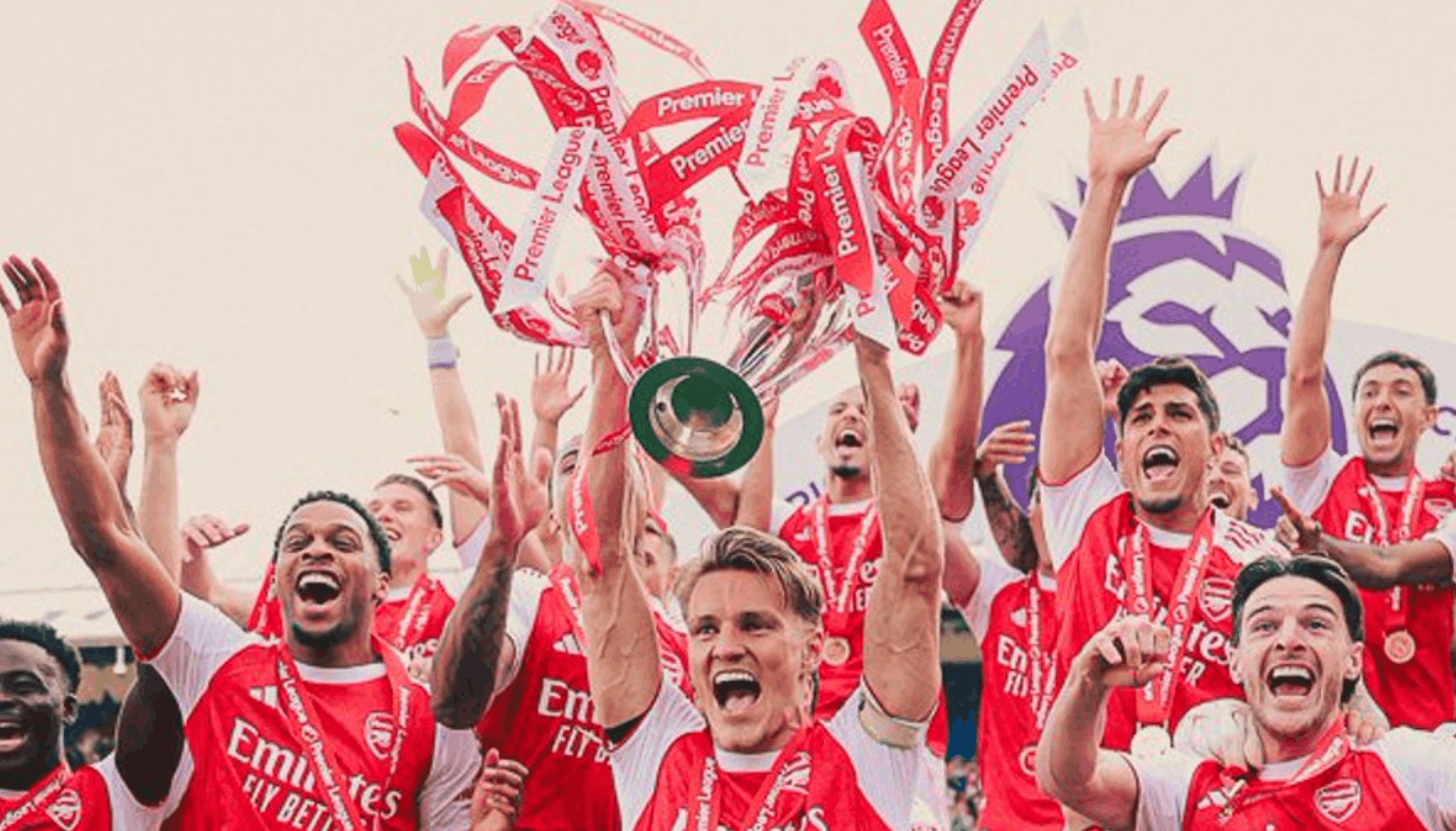
The 22-year drought is officially over. For more than two decades, the red-and-white half of North London has lived in the towering shadow of Arsène Wenger’s legendary 2003/04 "Invincibles". But in May 2026, Mikel Arteta and his resilient squad etched their own names into footballing history, officially clinching the 2025/26 Premier League title.
After finishing as agonizing runners-up to Manchester City for several consecutive seasons, the Gunners finally broke through the glass ceiling. Secured with a game to spare following a slip-up by City at Bournemouth, and capped off with a gritty 2-1 victory over Crystal Palace on the final day, Arsenal's campaign was a masterclass in modern tactical football. If you are wondering how Arsenal won the Premier League recently, the answer lies in an elite defensive foundation, unmatched squad depth, and impeccable psychological growth.
1. A Historic Defensive Masterclass
While the Premier League is often celebrated for explosive attacking play, Mikel Arteta won this championship from the back. Arsenal boasted the absolute best defensive record in England—and across Europe's top five leagues—registering a staggering 19 clean sheets over the 38-game season.

Anchored by the world-class partnership of William Saliba and Gabriel Magalhães, alongside the protection of midfield general Martín Zubimendi, the Gunners surrendered the lowest expected goals against (28.5 xGA) and faced the fewest shots on target (just 90) in the entire division. David Raya comfortably secured his third consecutive Golden Glove. Most impressively, Arsenal became the first team in Premier League history to navigate an entire season without a single player being sent off or conceding a single penalty. This structural discipline meant that even on days when the attack was quiet, the opposition simply could not score.
2. Clutch Subbed Goals and Squad Reinforcements
In previous title charges, a lack of squad depth ultimately derailed Arsenal when injuries and fatigue accumulated in the spring. In 2025/26, the bench became Arteta's ultimate weapon.
The Gunners accumulated a league-high 23 combined goals and assists from substitutes. Whether it was January signing Viktor Gyökeres coming on to score crucial goals—including hitting the club's 1,000th away goal landmark during a 4-1 thrashing of Tottenham—or the direct impact of players like Noni Madueke and Kai Havertz changing games late on, Arsenal had the tools to adapt. Even the historic integration of academy prodigy Max Dowman, who became the youngest player to ever win the Premier League, highlighted a squad meticulously built to sustain a grueling 10-month marathon.
3. Navigating the Manchester City Rivalry
The mental hurdle of overcoming Pep Guardiola’s Manchester City machine had plagued Arsenal for years. The 2025/26 race was a relentless game of chess. Arsenal led the table for a massive 200 days before a late April defeat at the Etihad Stadium briefly saw City nudge them out on goal difference.
In previous years, a setback of that magnitude might have triggered a psychological collapse. Instead, Arteta's men responded like true champions, rattling off four successive victories without conceding a single goal to instantly reclaim the summit. When City finally dropped points in a 1-1 draw against Bournemouth in mid-May, Arsenal’s unwavering consistency ensured the trophy returned to N5.
4. Generational Leadership and Core Milestones
At the heart of this triumph was a core group of young leaders who stepped up when the pressure reached its absolute maximum.
- Martin Ødegaard: The captain’s elite press-triggering and vision dictated the tempo of the team, culminating in him proudly lifting the trophy above his head at Selhurst Park.
- Bukayo Saka: Saka enjoyed a historic personal campaign, becoming the second-youngest player in Premier League history to cross the milestone of 50+ goals and 50+ assists, tracking closely behind Wayne Rooney's historic trajectory.
- Declan Rice: Operating as the lung-busting engine of the team, Rice's transition play and elite aerial presence gave Arsenal an physical edge they lacked in previous decades.
The Blueprint for a New Era
By securing their 14th top-flight championship, Arsenal did not just break a painful historical curse; they validated a long-term footballing philosophy. At just 44 years old, Mikel Arteta became the second-youngest manager to ever win the Premier League, establishing a modern powerhouse built on tactical flexibility, high defensive floors, and data-driven squad harmony.
With a young, hungry roster that has still not reached its absolute ceiling, this Premier League title feels less like a culmination and more like the opening salvo of a brand-new dominant era in English football.
 FIFA Council to Decide Fate of Nepalese Football After Three-Month Suspension
 Aston Villa Stun Dortmund with Dominant Performance
 Barcola's Sensational Hat-Trick Fuels Liverpool's Triumph
 Sudurpaschim Royals Electrify Fan Engagement with Landmark Ather Scooter Giveaway
 Hope's Century, Paul's Five-For Propel West Indies to Series-Leveling Win Over India in Hyderabad Thriller
 How Families Can Compare Youth Sports Opportunities Without Guessing
 Wasim Jaffer Accuses Agarkar-Led Panel of Mishandling Leading to Virat Kohli's Test Exit
Comments
0Log in to join the conversation.
Writer loginNo comments yet. Be the first to respond.